
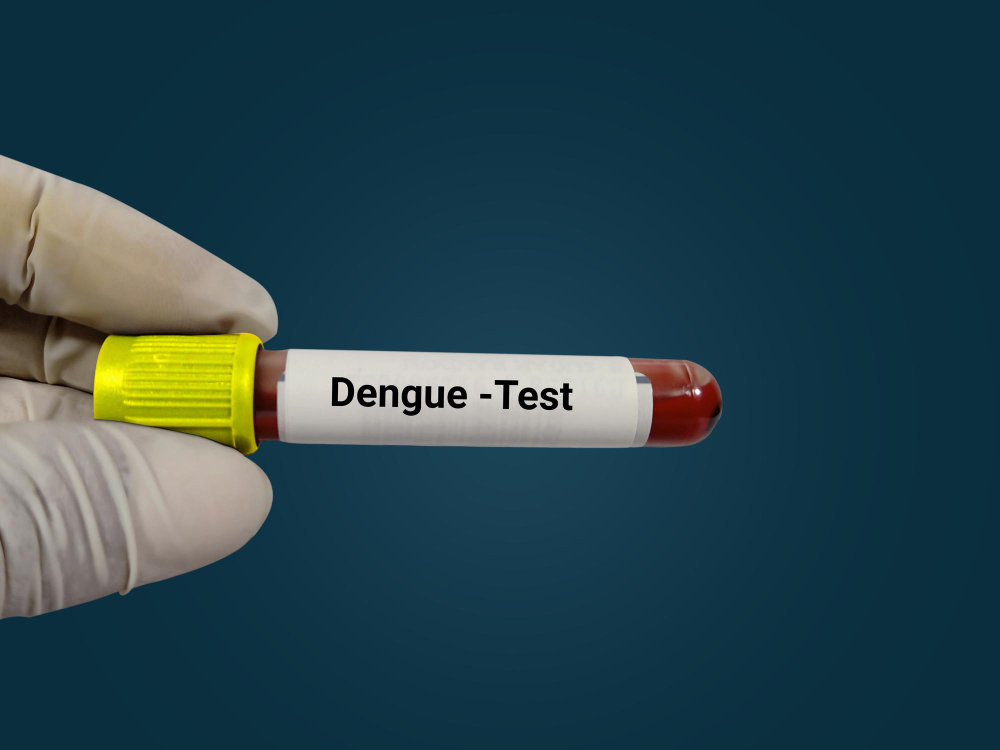
What is a Dengue Profile Test?
The Dengue Profile Test is a group of blood tests used to detect dengue infection. Doctors use this test to check for signs of the dengue virus in your blood. Usually, the test includes several parts. For example, it may look for dengue antibodies, antigens, and platelet counts. Because early detection is important, the Dengue Profile Test helps doctors start treatment quickly.
Why is the Dengue Profile Test Important?
Early diagnosis of dengue can prevent serious health problems. If you get tested early, doctors can monitor your health closely. Moreover, the Dengue Profile Test helps confirm if your symptoms are due to dengue or another illness. This test also guides doctors in giving the right treatment. According to the World Health Organization (WHO), early testing can reduce the risk of severe dengue.
Symptoms That May Require a Dengue Profile Test
Sometimes, dengue symptoms can look like other illnesses. However, certain signs may prompt your doctor to order a Dengue Profile Test. Watch for these symptoms:
If you notice these symptoms, especially after a mosquito bite, you should see a doctor. Early testing can help rule out or confirm dengue.
How is the Dengue Profile Test Performed?
The dengue test procedure is simple and safe. First, a healthcare worker will clean your arm. Next, they will draw a small amount of blood from a vein. The blood sample is then sent to a lab for analysis. Usually, the test checks for:
Because the test is quick, you can return home soon after. Results are often ready within a day or two.
Understanding the Results of a Dengue Profile Test
Dengue test results explained can help you understand your health better. If the NS1 antigen is positive, it means you have a recent dengue infection. If IgM antibodies are present, you may have a current or recent infection. IgG antibodies show a past infection. A low platelet count can mean your body is fighting the virus. However, only a doctor can explain your results fully. For best care, always discuss your results with a healthcare professional.
Preparation and Aftercare Tips
Preparing for a Dengue Profile Test is easy. Usually, you do not need to fast before the test. However, it is good to drink water and stay calm. After the test, press on the spot where blood was drawn to stop bleeding. If you notice swelling or pain, apply a cold pack. Most people feel fine after the test. But if you feel dizzy, sit down and rest. Always follow your doctor’s advice for aftercare.
Frequently Asked Questions about Dengue Profile Test
Consult Dr. Nikita Jaggi for personalized advice on Dengue Profile Test.