
What is a Homocysteine Test?
A Homocysteine Test is a simple blood test. It measures the amount of homocysteine in your blood. Homocysteine is an amino acid. Your body makes it when it breaks down protein. Usually, your body keeps homocysteine at safe levels. However, high homocysteine levels can be a sign of health problems. Doctors use the homocysteine blood test to check for these issues.
Why is a Homocysteine Test Done?
Doctors may order a homocysteine test for several reasons. For example, it can help:
Sometimes, high homocysteine levels can damage blood vessels. Therefore, this test helps spot problems early. According to the CDC, early detection can help prevent serious health issues.
How is the Test Performed?
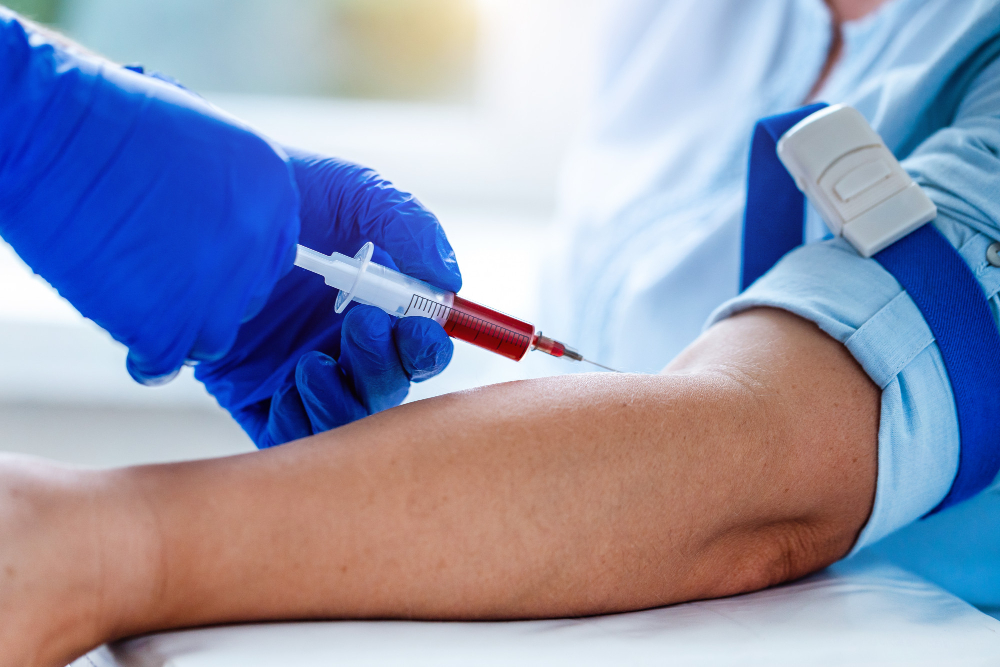
The homocysteine blood test is quick and safe. First, a healthcare worker will clean your arm. Next, they will use a small needle to take a blood sample. The process usually takes less than five minutes. Afterward, your blood goes to a lab for testing. Most people feel only a small pinch during the test. You can return to your normal activities right after.
What Do the Results Mean?
Homocysteine test results show how much homocysteine is in your blood. The normal range for adults is usually between 5 and 15 micromoles per liter (µmol/L). However, this range can vary by lab. Here’s what your results may mean:
High homocysteine levels may mean you lack vitamin B12, B6, or folate. In addition, it can signal a higher risk of heart disease or stroke. On the other hand, low levels are usually not a concern. Always discuss your results with your doctor for the best advice.
Preparation and Aftercare
Proper homocysteine test preparation can help you get accurate results. Your doctor may ask you to:
After the test, you can eat and drink as usual. If you feel dizzy, sit down and rest for a few minutes. Most people have no side effects. However, a small bruise may appear where the needle was inserted.
Risks and Limitations
The homocysteine blood test is very safe. But, like any blood test, there are small risks. For instance, you may have slight pain, bruising, or bleeding at the needle site. Rarely, some people may feel faint. Also, the test has some limits. For example, many things can affect homocysteine levels, such as age, diet, and certain medicines. Therefore, one test alone may not give a full picture of your health.
Frequently Asked Questions
Prevention and Lifestyle Tips
There are simple steps you can take to keep homocysteine levels in a healthy range. For example:
In summary, a healthy lifestyle can help prevent high homocysteine levels. Early testing and treatment can lower your risk of heart disease and stroke.
Consult a healthcare professional at GENESIS Pathology lab for personalized advice about homocysteine testing.