
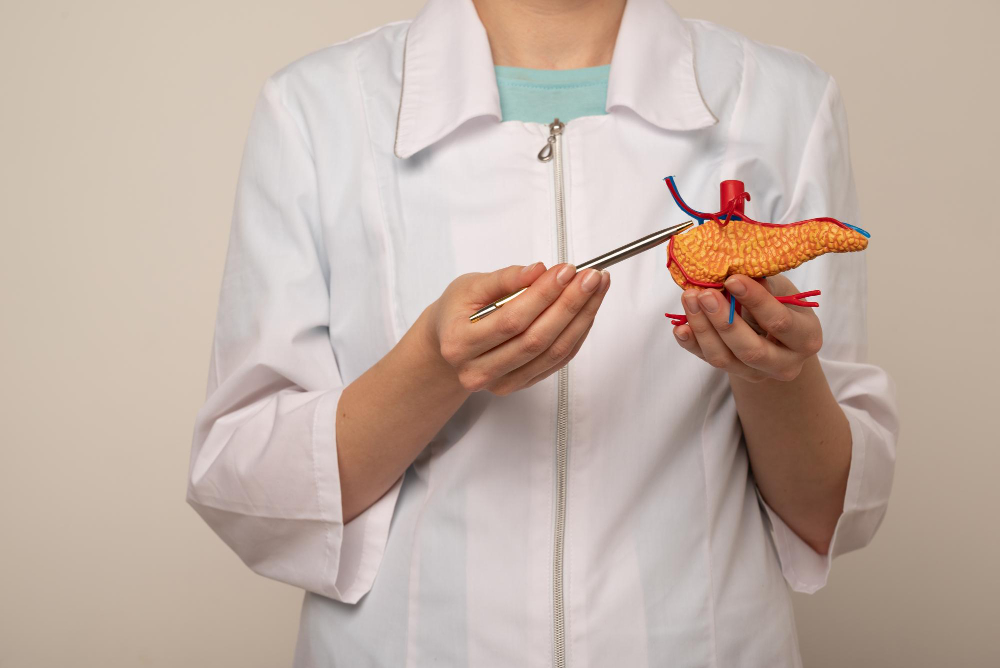
Introduction to Pancreatic Function Tests
Pancreatic function tests help doctors check how well your pancreas works. The pancreas is a small organ behind your stomach. It makes enzymes and hormones that help digest food and control blood sugar. Because these tests are important, they help find problems early. In the United States, many people get these tests if they have symptoms or risk factors. Pancreatic function tests can guide treatment and improve health outcomes.
Why Are Pancreatic Function Tests Important?
These tests are key for finding pancreas problems. For example, they can detect issues like pancreatitis, cystic fibrosis, or pancreatic cancer. Early testing can help prevent serious health problems. Also, knowing your pancreas health helps your doctor choose the best treatment. Therefore, regular screening is important for people with symptoms or family history.
Common Symptoms and Reasons for Testing
Doctors may suggest pancreatic function tests if you have certain symptoms. Some common signs include:
Additionally, people with diabetes or a family history of pancreas problems may need testing. If you notice these symptoms, talk to your doctor about pancreatic health screening.
Types of Pancreatic Function Tests
There are two main types of pancreatic function tests: direct and indirect. Each type checks the pancreas in a different way.
Direct Tests
Direct tests measure how well the pancreas makes enzymes. For example, the secretin stimulation test is a common direct test. During this test, doctors give you a medicine called secretin. Then, they collect fluid from your small intestine to check enzyme levels.
Indirect Tests
Indirect tests look at the effects of pancreatic enzymes. These tests often use blood, urine, or stool samples. Some common indirect tests include:
Because each test has a different purpose, your doctor will choose the best one for you.
How Are Pancreatic Function Tests Performed?
Most pancreatic function tests are simple and safe. For example, stool and blood tests only need a small sample. Sometimes, you may need to fast before the test. For direct tests, you may need a short procedure at a clinic or hospital. Your doctor will explain each step before the test begins.
What to Expect Before, During, and After Testing
Before the test, your doctor may ask you to avoid certain foods or medicines. During the test, you may give a blood, stool, or urine sample. If you have a direct test, you may get medicine through a vein. After the test, you can usually go home right away. Most people feel fine after testing. However, if you feel unwell, let your doctor know.
How to Interpret Results
Your doctor will review your test results with you. If your pancreas is healthy, your enzyme and hormone levels will be normal. If the results show low enzyme levels or high fat in stool, it may mean your pancreas is not working well. Sometimes, abnormal results can point to other health problems. Because test results can be complex, always ask your doctor to explain them in simple terms.
Possible Risks and Limitations
Most pancreatic function tests are safe. However, some direct tests may cause mild discomfort or nausea. Rarely, there may be a risk of infection or bleeding. Also, no test is perfect. Sometimes, results can be unclear or need more testing. Therefore, always follow your doctor’s advice and ask questions if you are unsure.
Lifestyle Tips and Prevention of Pancreatic Disorders
While not all pancreas problems can be prevented, healthy habits can lower your risk. For example:
Because early action matters, see your doctor if you notice symptoms.
When to Consult a Doctor
If you have ongoing stomach pain, weight loss, or changes in your stool, talk to your doctor. Also, if you have a family history of pancreatic disease, ask about pancreatic health screening. Early testing can help find problems before they become serious.
Conclusion
Pancreatic function tests are important tools for checking pancreas health. They help diagnose problems early and guide treatment. If you have symptoms or risk factors, consult Dr. Nikita Jaggi for personalized advice about pancreatic function tests.