
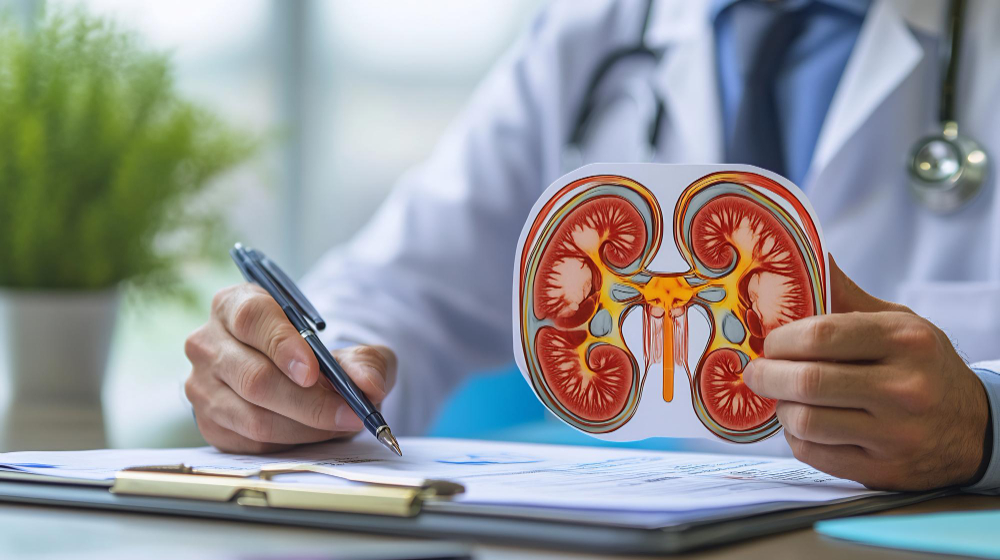
Introduction to Kidney Function Tests
A kidney function test checks how well your kidneys are working. These tests help doctors find out if your kidneys are healthy or if there are problems. Often, a kidney function test uses blood or urine samples. Because kidneys play a key role in removing waste, checking their health is important for your overall well-being.
Why Are Kidney Function Tests Important?
Kidneys filter waste and extra water from your blood. They also help control blood pressure and balance minerals. If your kidneys do not work well, waste can build up in your body. Therefore, a kidney function test can spot problems early. Early detection allows for better treatment and can prevent serious health issues.
Types of Kidney Function Tests
Doctors use several tests to check kidney health. Each test gives different information about how your kidneys work. Common kidney function tests include:
Symptoms Indicating the Need for a Kidney Function Test
Sometimes, kidney problems do not cause symptoms at first. However, you should watch for these signs:
If you notice any of these symptoms, it is wise to ask your doctor about a kidney function test.
How Is a Kidney Function Test Done?
Most kidney function tests are simple and quick. Usually, a nurse or technician will take a small blood sample from your arm. Sometimes, you may need to collect urine in a clean container. For some urine tests, you might need to collect all your urine over 24 hours. The samples are then sent to a lab for analysis. Afterward, your doctor will review the results and explain what they mean.
Understanding Kidney Test Results
Test results help your doctor see how well your kidneys work. Here is what you might learn:
However, sometimes results can be affected by other factors, like dehydration or certain medicines. Therefore, your doctor may repeat tests or order more checks to confirm the findings.
Preparation and Aftercare Tips
Before your kidney function test, your doctor may give you special instructions. For example, you might need to avoid certain foods or medicines. You may also need to drink plenty of water. After the test, you can usually return to your normal activities. If you feel dizzy or weak after a blood draw, rest for a few minutes. Always follow your doctor’s advice for the best results.
Prevention and Lifestyle Guidance for Healthy Kidneys
Keeping your kidneys healthy is important. Here are some tips:
By following these steps, you can help protect your kidneys and lower your risk of kidney disease.
When to Consult a Doctor
If you have symptoms of kidney problems or risk factors like diabetes or high blood pressure, talk to your doctor. Early testing can help catch problems before they get worse. Even if you feel fine, regular check-ups are a good idea, especially as you get older.
Conclusion
In summary, a kidney function test is a simple way to check your kidney health. It can help find problems early and guide treatment. If you have concerns, consult a healthcare specialist Dr. Nikita Jaggi for personalized advice about kidney function tests.