
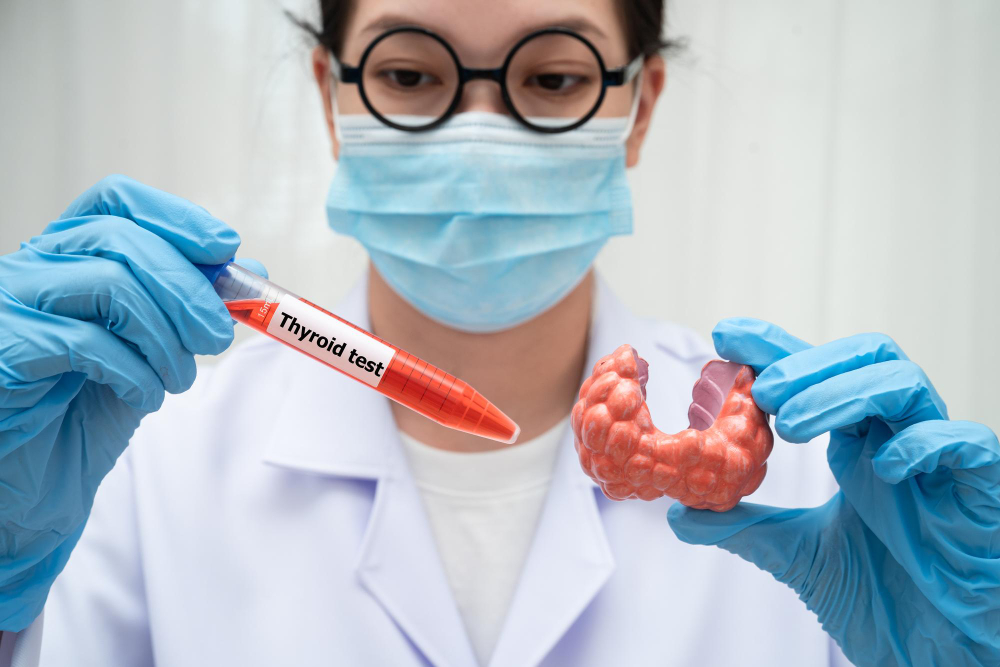
Introduction to Thyroid Panel Tests
Thyroid panel tests are blood tests that check how well your thyroid is working. The thyroid is a small gland in your neck. It makes hormones that help control your body’s energy and metabolism. Because these hormones affect many parts of your body, it’s important to know if your thyroid is healthy. Many people search for “thyroid panel tests near me” when they notice symptoms or want a routine check.
Why Thyroid Health Matters
Your thyroid helps control your heart rate, body temperature, and how your body uses energy. When your thyroid does not work well, you may feel tired, gain or lose weight, or feel anxious. For this reason, keeping your thyroid healthy is important for your overall well-being. Even small changes in thyroid hormone levels can affect your mood and body functions.
Types of Thyroid Panel Tests
Doctors use several tests to check your thyroid function. Each test looks at a different part of how your thyroid works. Common thyroid panel tests include:
Each test gives a piece of the full picture. Together, they help your doctor understand your thyroid health.
Common Reasons for Ordering Thyroid Panel Tests
Doctors may order thyroid panel tests for many reasons. For example, you may have symptoms that suggest a thyroid problem. These symptoms can include:
In addition, some people get tested during routine checkups, especially if thyroid problems run in their family. Pregnant women or people with other hormone issues may also need these tests.
How Thyroid Panel Tests Are Performed
Getting a thyroid panel test is simple. First, a healthcare worker will draw a small amount of blood from your arm. Usually, you do not need to fast before the test. However, your doctor may give you special instructions. The process takes only a few minutes. Afterward, you can return to your normal activities. Because the test is quick and safe, most people have no problems.
Understanding Thyroid Test Results
After your blood is tested, your doctor will explain the results. Here is what high or low values may mean:
Sometimes, results can be affected by medicines or other health problems. Therefore, always talk to your doctor about what your results mean for you. Understanding thyroid test results can help you take the right steps for your health.
Next Steps After Testing
Once you get your results, your doctor will discuss what to do next. If your thyroid panel tests show a problem, you may need more tests or treatment. Treatment can include:
In some cases, your doctor may refer you to a specialist. Early treatment can help you feel better and prevent other health issues.
Tips for Maintaining Thyroid Health
There are simple ways to keep your thyroid healthy. For example, you can:
Because some thyroid problems run in families, let your doctor know if you have a family history of thyroid disease.
Prevention and Lifestyle Guidance
Although not all thyroid problems can be prevented, healthy habits can lower your risk. For instance, eat foods rich in vitamins and minerals. Stay active and keep a healthy weight. In addition, avoid too much soy or processed foods, as these can sometimes affect thyroid function. If you notice any symptoms, see your doctor early. Regular thyroid function tests can catch problems before they get worse.
Conclusion
Thyroid panel tests are important for checking your thyroid health. They help find problems early and guide treatment. If you have symptoms or a family history, talk to your doctor about getting tested. For personalized advice about thyroid panel tests, consult Dr. Nikita Jaggi.