
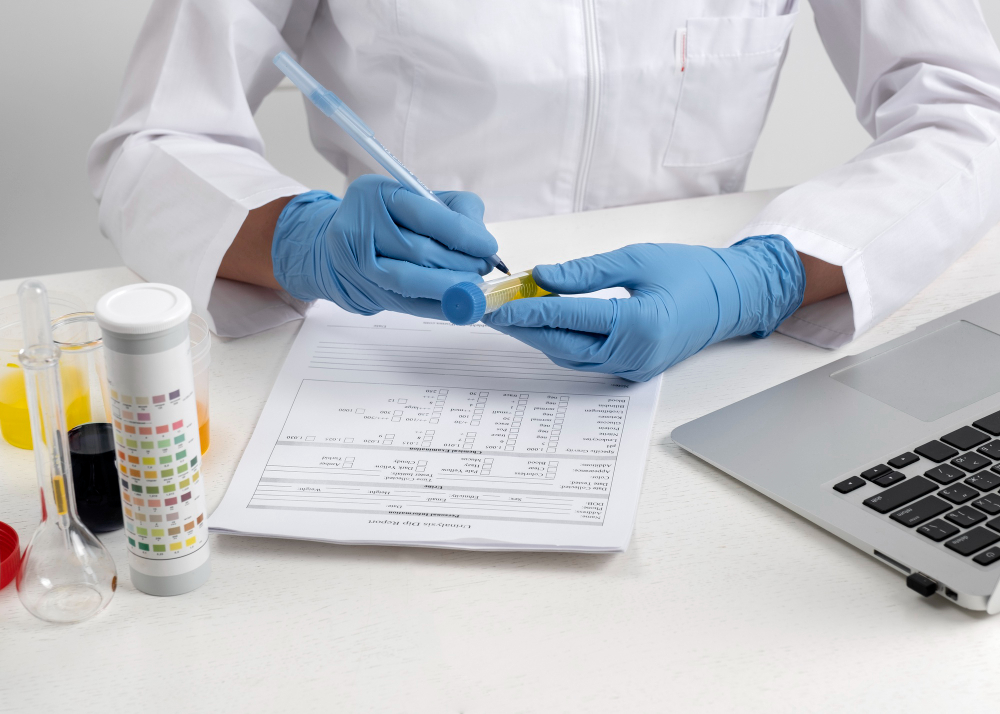
What Is a Creatine Clearance Test?
The creatine clearance test is a simple kidney function test. It measures how well your kidneys remove creatinine from your blood. Creatinine is a waste product made by your muscles. Your kidneys filter it out and send it into your urine. Because of this, the creatine clearance test helps check if your kidneys are working properly.
Why Is the Creatine Clearance Test Important?
This test is important because it shows how well your kidneys clean your blood. If your kidneys do not work well, waste can build up in your body. Early detection of kidney problems can help prevent serious health issues. For example, doctors use this test to spot early signs of kidney disease. It also helps track kidney health over time.
Who Should Consider This Test?
Not everyone needs a creatine clearance test. However, your doctor may suggest it if you:
If you have any of these risk factors, talk to your doctor about this test.
How Is the Creatine Clearance Test Performed?
The creatine clearance test has two main steps. First, you collect your urine for 24 hours. Second, you give a blood sample. Here is how the process usually works:
Both samples are tested to measure creatinine levels. The results help your doctor calculate your creatine clearance rate.
How to Prepare for the Test
Preparation is simple, but you should follow your doctor’s advice. For best results:
Because some foods and medicines can affect your results, always check with your healthcare provider first.
Understanding Test Results and What They Mean
After the test, your doctor will review your creatine clearance rate. Normal creatinine clearance levels depend on age, sex, and body size. For most adults, normal values are:
Lower results may mean your kidneys are not working well. Higher results can happen if you eat a lot of meat or have larger muscles. Sometimes, results outside the normal range do not mean you have a problem. Your doctor will explain what your results mean for you.
Risks and Limitations of the Test
The creatine clearance test is safe for most people. However, there are a few things to keep in mind:
Although the test is helpful, it is not perfect. Sometimes, your doctor may order other kidney function tests for a clearer picture.
Frequently Asked Questions
When to Consult a Healthcare Professional
If you have symptoms like swelling, tiredness, or changes in urination, talk to your doctor. Also, if you have diabetes, high blood pressure, or a family history of kidney disease, regular kidney function tests may help. Early action can protect your health.
In summary, the creatine clearance test is a useful tool for checking kidney health. If you have questions or concerns about your kidneys, consult your healthcare professional at GENESIS Pathology lab for advice tailored to you.