
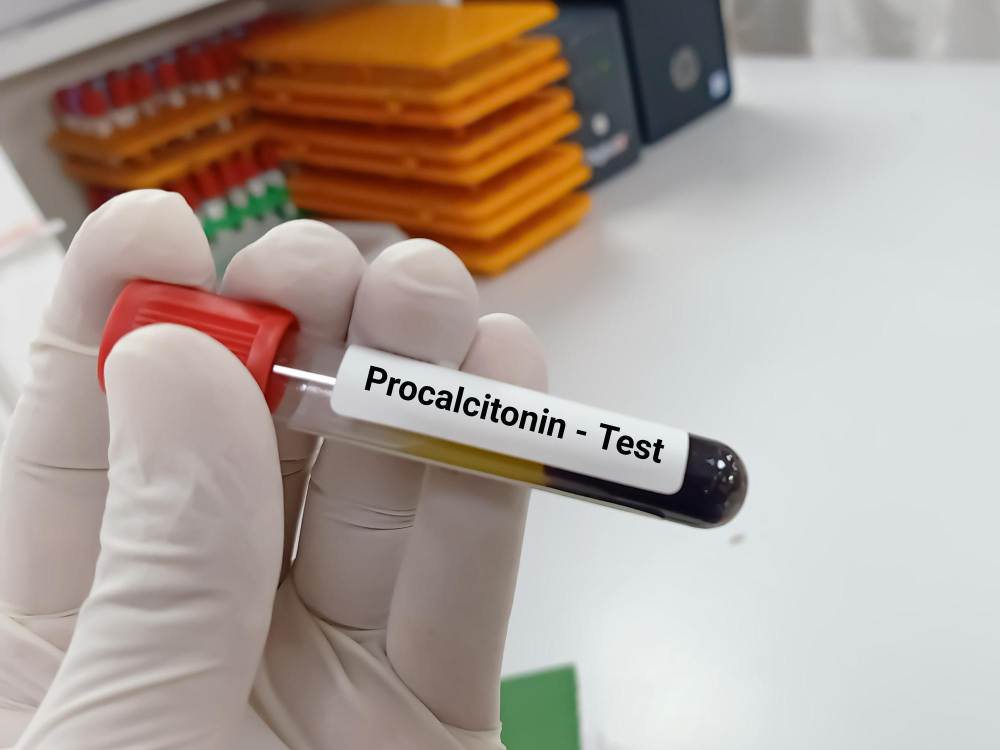
What is the Procalcitonin Test?
The procalcitonin test is a blood test that helps doctors check for serious infections. Procalcitonin is a substance made by the body. Normally, its level in the blood is very low. However, when there is a severe bacterial infection, procalcitonin levels can rise quickly. Because of this, the procalcitonin test is useful for finding out if a person has a serious infection. It is also called the procalcitonin blood test.
Why is the Procalcitonin Test Done?
Doctors use the procalcitonin test for several reasons. First, it helps them find out if a person has a bacterial infection. For example, it can show if someone has sepsis, which is a dangerous infection in the blood. In addition, the test can help decide if antibiotics are needed. Sometimes, it is used to check how well treatment is working. The test is not usually used for mild infections or viral illnesses.
How is the Procalcitonin Test Performed?
The procalcitonin test is simple and quick. A healthcare worker takes a small sample of blood from a vein, usually in your arm. Before the test, you do not need to fast or make special preparations. However, it is helpful to tell your doctor about any medicines you are taking. After the blood is drawn, the sample goes to a lab for testing. Results are often ready within a few hours or by the next day.
What Do Procalcitonin Test Results Mean?
Procalcitonin test interpretation depends on your results. Low procalcitonin levels usually mean there is no serious bacterial infection. High levels suggest a severe bacterial infection or sepsis. Sometimes, other conditions can also raise procalcitonin levels. Your doctor will look at your symptoms and other test results as well.
However, normal ranges may vary slightly by lab. Always discuss your results with your doctor for the best advice.
Benefits and Limitations of the Procalcitonin Test
The procalcitonin test offers several benefits. For instance, it helps doctors quickly spot serious infections. It can also prevent unnecessary use of antibiotics. However, the test has some limits. Sometimes, other health problems can raise procalcitonin levels. For example, major surgery, trauma, or certain cancers may affect the results. The test does not replace a full medical check-up.
Frequently Asked Questions (FAQs)
When to Consult a Healthcare Provider
If you have symptoms like fever, chills, or confusion, you should see a doctor. These signs may point to a serious infection. Even if your procalcitonin test result is normal, always talk to your healthcare provider about your symptoms. They can give you the best advice for your health.
Visit our 24/7 lab and consult Dr. Nikita Jaggi for personalized insights on the procalcitonin test.